
SEARCH WHAT YOU WANT
5 Unmissable Insights from the Munich Energy Show for the Global New Energy Market
Time:2025-09-18
Walking through the vast halls of the Munich Exhibition Centre, surrounded by the buzz of dozens of languages and an endless vista of solar panels, energy storage cabinets, and charging piles, the air was electric with an indescribable energy – the spark of innovation colliding, the rhythm of an industry's pulse. In that moment, anyone present could feel it viscerally: the global energy transition is no longer a slogan, but a torrent accelerating at full speed. Our specific purpose for being there, The Smarter E Europe, was the foremost observation deck for this very torrent.
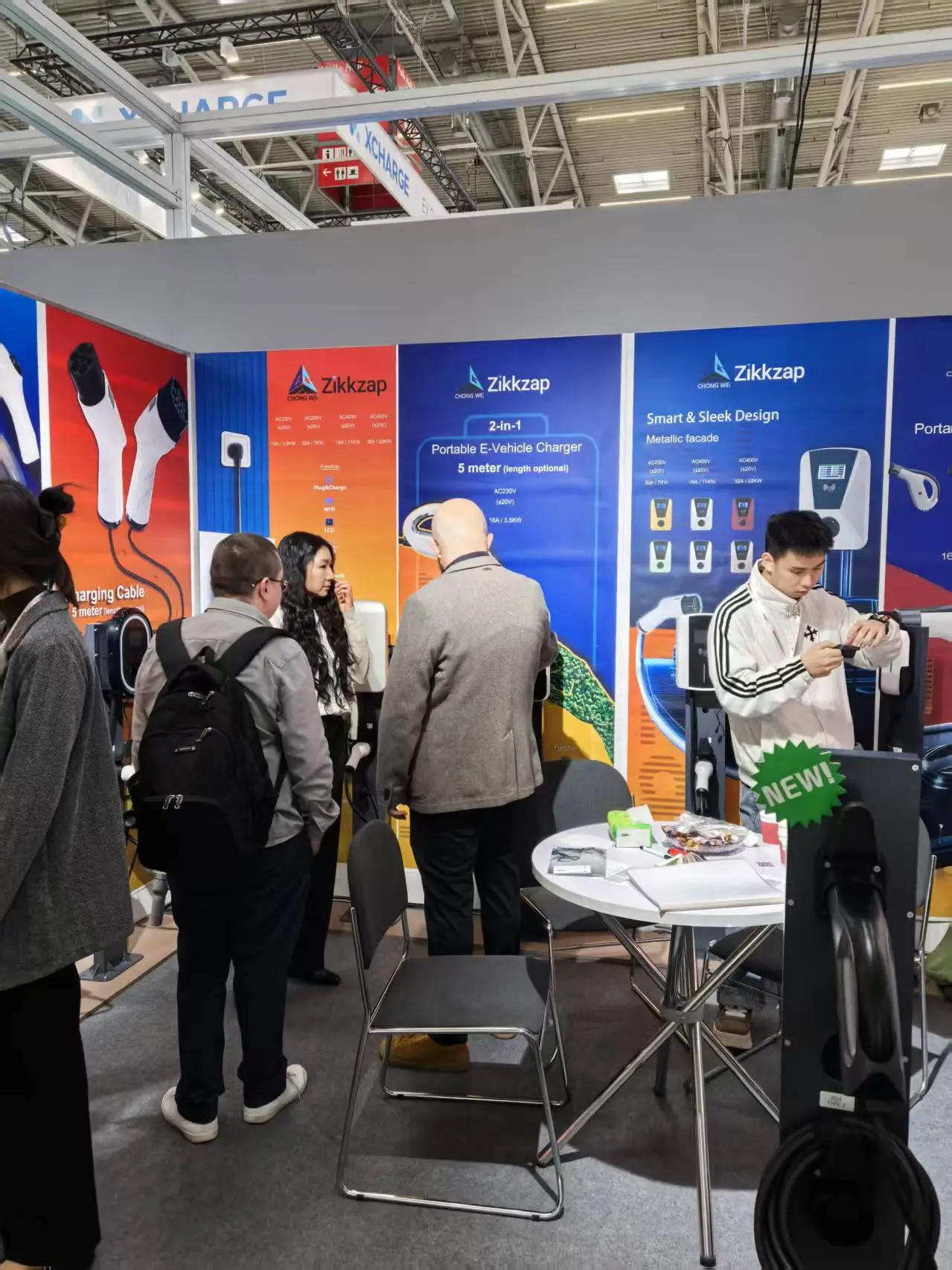
Trend One: From "Selling Products" to "Selling Ecosystems" – System Integration is the Key to Success
If past exhibitions were a "parade" of individual components, this year's event was a series of "combined arms" exercises. It was difficult to find major players merely showcasing an isolated high-efficiency PV module, an inverter, or a battery bank in isolation. Instead, they were replaced by complete "solar-storage-charging" dioramas, by full-stack solutions that seamlessly connected generation, storage, consumption, and management. From energy-autonomous house designs for house-holds to zero-carbon energy solutions for commercial complexes, and large-scale microgrids planned for industrial parks, a complete energy ecosystem covering all scenarios became the focal point for all contenders.
This shift clearly reveals the industry's evolutionary path: competition on standalone technology is in the past; the capability for system integration determines the future. The industry is elegantly pivoting from being "hardware suppliers" to "energy service providers." For those of us in the EV charging industry, this is a clarion call – the simple "plug-and-charge" function can no longer meet market demands. We must consider how to become an intelligent node within this comprehensive energy network, how to synergize with rooftop solar, how to use battery storage for "peak shaving," how to interact harmoniously with the smart grid, ultimately providing users with the most economical, stable, and greenest charging experience. This is no longer an added bonus; it is a necessity for future survival.
Trend Two: Charging Technology's "Three Arrows": Faster, Smarter, More Integrated
In the charging technology halls, one could sense a prosperity akin to "performance overkill," but this was backed by tangible technological competition.
-
Fast-Charging Competition Intensifies: High-Power Charging (HPC) is now standard. 300kW, 400kW, and even higher-power charging stations stood like forests, with the widespread application of liquid cooling technology allowing these "energy beasts" to operate stably and quietly. The limits of charging speed are constantly being pushed, making "5 minutes of charging for 200 km of range" a reality.
-
Bidirectional Charging / V2G (Vehicle-to-Grid): If fast charging is the "brawn," then V2G was the "soul" of this exhibition. It rightfully became the centre of conversation. Numerous manufacturers showcased mature vehicle-grid interaction solutions, heralding a new era: electric vehicles are no longer just energy consumers; they are becoming mobile, distributed storage units, constituting the most flexible regulating resource for the future power grid.
-
Seamless User Experience: Beyond the hardware race, the competition in "soft power" – software – was equally intense. Features like Plug & Charge, cross-platform roaming payment, and smart reservation are striving to minimize friction in the entire charging process. The quality of the user experience directly determines brand loyalty.
Technology is tackling user "anxieties" on three fronts: fast charging addresses "range anxiety," V2G addresses "cost anxiety," and software optimization addresses "process anxiety." Particularly V2G, it is a disruptive concept with the potential to reshape the entire energy and transportation landscape. The implication for us is clear: we must proactively invest in smart charging and V2G technology, and perfect the user experience in our software. The future charging pile is not just an energy outlet; it is an intelligent terminal for energy trading and scheduling.
Trend Three: Digitalization and AI Empower the "Master Mind" of Energy Management
Beneath the jungle of hardware, an invisible force is becoming the true master—that force is data. At this year's exhibition, terms like "digital twin," "AI optimization algorithms," and "smart energy management platforms" appeared in the brochures of almost all major manufacturers. Energy management is no longer reliant on simple logical judgments; through big data analysis and machine learning, it is becoming predictable, optimizable, and adaptive.
This means that the future of energy competition boils down to a competition of "algorithms." Whoever possesses the smarter "brain" will be able to maximize efficiency within the complex energy system. For a charging station operator, AI can accurately predict when electricity prices are lowest and when demand is highest, thus automatically scheduling the charging and discharging of storage batteries, and even guiding users towards managed charging. This saves users money while also providing grid ancillary services and creating additional revenue streams for the operator. This is the core of enhancing our operational efficiency and unlocking potential profit points.
The trip to Munich felt like a preview of the industry's future. It told us that "integrated solar-storage-charging" is no longer a blueprint, but a reality unfolding before us. The core of this energy revolution is no longer the advancement of any single technology, but the comprehensive synergy of integration, intelligence, and ecosystem building.
As a participant in this torrent, we are both inspired and acutely aware of our responsibility. Returning is the start of action. We will translate these cutting-edge insights into the iteration and upgrading of our products and services, committed to building truly intelligent, efficient, and user-friendly charging solutions.
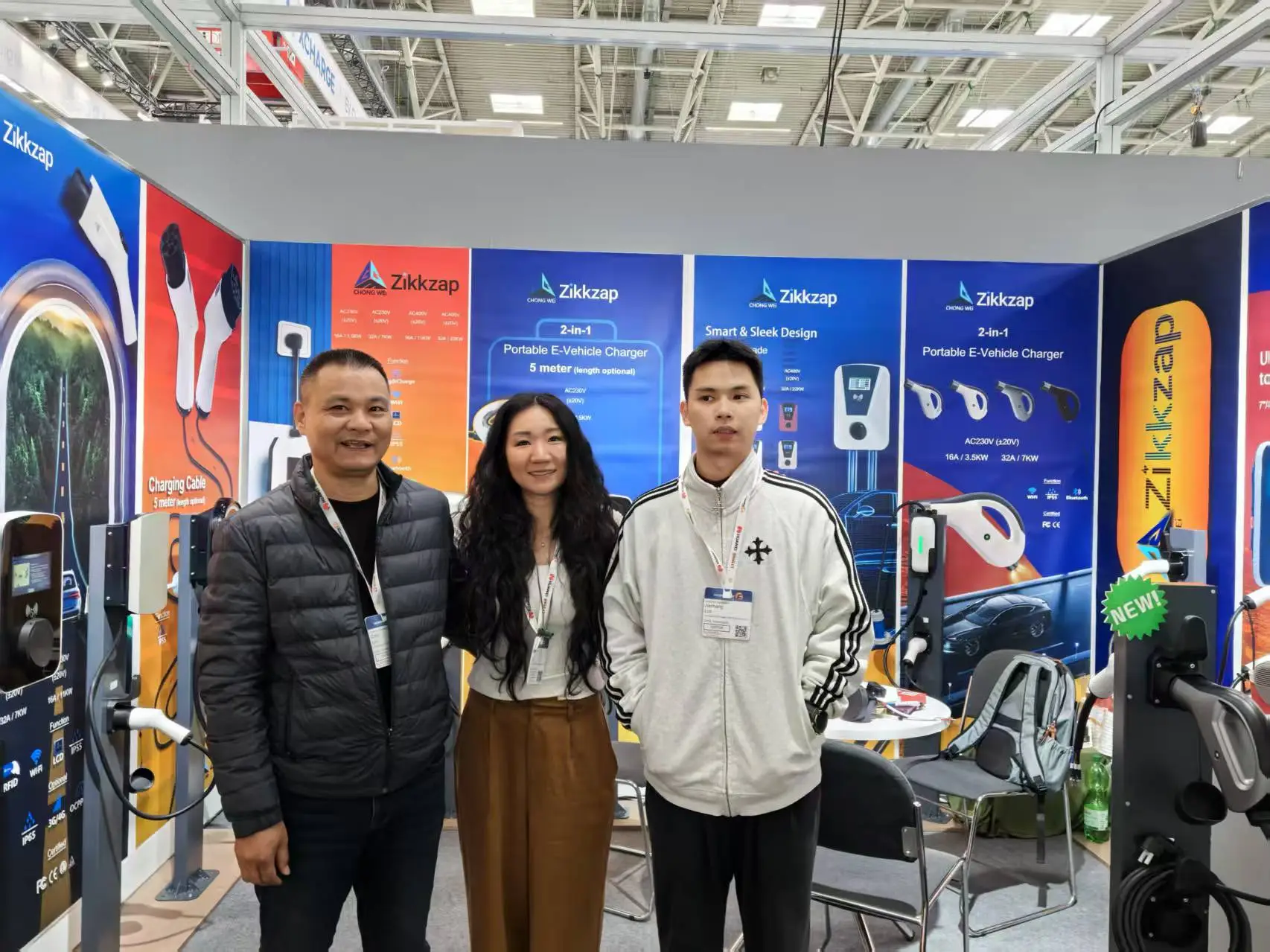
The future of energy is already here. We invite you to witness it, and participate in it.
Which trend interests you the most? We welcome you to share your thoughts in the comments section!
Walking through the vast halls of the Munich Exhibition Centre, surrounded by the buzz of dozens of languages and an endless vista of solar panels, energy storage cabinets, and charging piles, the air was electric with an indescribable energy – the spark of innovation colliding, the rhythm of an industry's pulse. In that moment, anyone present could feel it viscerally: the global energy transition is no longer a slogan, but a torrent accelerating at full speed. Our specific purpose for being there, The Smarter E Europe, was the foremost observation deck for this very torrent.
Trend One: From "Selling Products" to "Selling Ecosystems" – System Integration is the Key to Success
If past exhibitions were a "parade" of individual components, this year's event was a series of "combined arms" exercises. It was difficult to find major players merely showcasing an isolated high-efficiency PV module, an inverter, or a battery bank in isolation. Instead, they were replaced by complete "solar-storage-charging" dioramas, by full-stack solutions that seamlessly connected generation, storage, consumption, and management. From energy-autonomous house designs for house-holds to zero-carbon energy solutions for commercial complexes, and large-scale microgrids planned for industrial parks, a complete energy ecosystem covering all scenarios became the focal point for all contenders.
This shift clearly reveals the industry's evolutionary path: competition on standalone technology is in the past; the capability for system integration determines the future. The industry is elegantly pivoting from being "hardware suppliers" to "energy service providers." For those of us in the EV charging industry, this is a clarion call – the simple "plug-and-charge" function can no longer meet market demands. We must consider how to become an intelligent node within this comprehensive energy network, how to synergize with rooftop solar, how to use battery storage for "peak shaving," how to interact harmoniously with the smart grid, ultimately providing users with the most economical, stable, and greenest charging experience. This is no longer an added bonus; it is a necessity for future survival.
Trend Two: Charging Technology's "Three Arrows": Faster, Smarter, More Integrated
In the charging technology halls, one could sense a prosperity akin to "performance overkill," but this was backed by tangible technological competition.
-
Fast-Charging Competition Intensifies: High-Power Charging (HPC) is now standard. 300kW, 400kW, and even higher-power charging stations stood like forests, with the widespread application of liquid cooling technology allowing these "energy beasts" to operate stably and quietly. The limits of charging speed are constantly being pushed, making "5 minutes of charging for 200 km of range" a reality.
-
Bidirectional Charging / V2G (Vehicle-to-Grid): If fast charging is the "brawn," then V2G was the "soul" of this exhibition. It rightfully became the centre of conversation. Numerous manufacturers showcased mature vehicle-grid interaction solutions, heralding a new era: electric vehicles are no longer just energy consumers; they are becoming mobile, distributed storage units, constituting the most flexible regulating resource for the future power grid.
-
Seamless User Experience: Beyond the hardware race, the competition in "soft power" – software – was equally intense. Features like Plug & Charge, cross-platform roaming payment, and smart reservation are striving to minimize friction in the entire charging process. The quality of the user experience directly determines brand loyalty.
Technology is tackling user "anxieties" on three fronts: fast charging addresses "range anxiety," V2G addresses "cost anxiety," and software optimization addresses "process anxiety." Particularly V2G, it is a disruptive concept with the potential to reshape the entire energy and transportation landscape. The implication for us is clear: we must proactively invest in smart charging and V2G technology, and perfect the user experience in our software. The future charging pile is not just an energy outlet; it is an intelligent terminal for energy trading and scheduling.
Trend Three: Digitalization and AI Empower the "Master Mind" of Energy Management
Beneath the jungle of hardware, an invisible force is becoming the true master—that force is data. At this year's exhibition, terms like "digital twin," "AI optimization algorithms," and "smart energy management platforms" appeared in the brochures of almost all major manufacturers. Energy management is no longer reliant on simple logical judgments; through big data analysis and machine learning, it is becoming predictable, optimizable, and adaptive.
This means that the future of energy competition boils down to a competition of "algorithms." Whoever possesses the smarter "brain" will be able to maximize efficiency within the complex energy system. For a charging station operator, AI can accurately predict when electricity prices are lowest and when demand is highest, thus automatically scheduling the charging and discharging of storage batteries, and even guiding users towards managed charging. This saves users money while also providing grid ancillary services and creating additional revenue streams for the operator. This is the core of enhancing our operational efficiency and unlocking potential profit points.
The trip to Munich felt like a preview of the industry's future. It told us that "integrated solar-storage-charging" is no longer a blueprint, but a reality unfolding before us. The core of this energy revolution is no longer the advancement of any single technology, but the comprehensive synergy of integration, intelligence, and ecosystem building.
As a participant in this torrent, we are both inspired and acutely aware of our responsibility. Returning is the start of action. We will translate these cutting-edge insights into the iteration and upgrading of our products and services, committed to building truly intelligent, efficient, and user-friendly charging solutions.
The future of energy is already here. We invite you to witness it, and participate in it.
Which trend interests you the most? We welcome you to share your thoughts in the comments section!

Contact Us
Tel: +86 178 1707 2188
Address: No. 113, Yuyuan 5th Road, Yidong Village, Chengdong Street, Jiangcheng District, Yangjiang City, Guangdong Province, China.
Copyright © 2025 GuangDong ChongWei Technology Co., Ltd.